

Why Everyone Is Talking About Organic Lock (And Your Pathways Should Too)
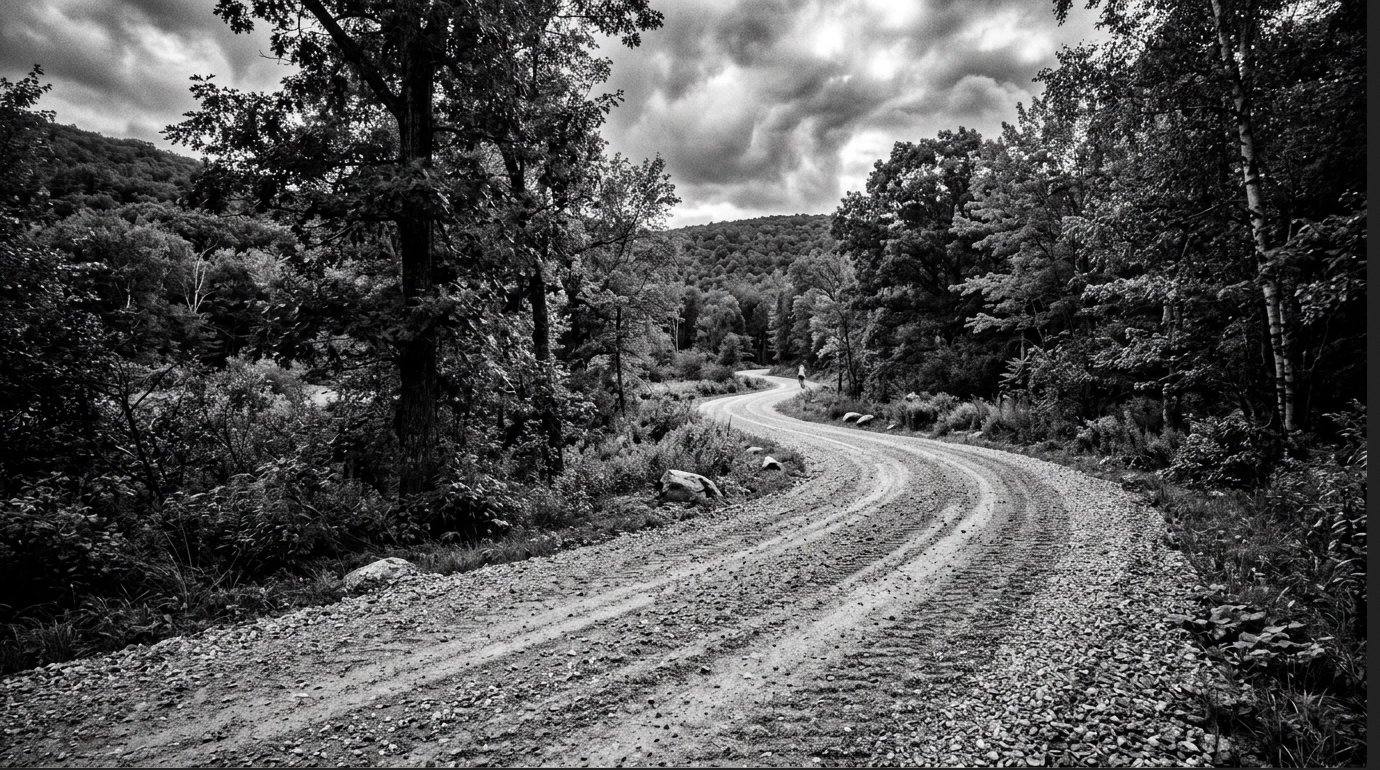
Maintaining a gravel pathway shouldn't be a full-time job. Whether you are managing a municipal park, a commercial campus, or an industrial facility, the challenges remain the same: erosion from heavy rain, rutting from traffic, and the persistent growth of weeds that turn a professional landscape into an eyesore. Traditionally, the choice was between the high maintenance of loose aggregate or the unnatural look and high cost of asphalt or concrete.
There is now a middle ground that provides the best of both worlds. At Bettenson's Sand and Gravel Co Ltd, we are seeing a significant shift toward  Organic Lock: a specialized aggregate stabilizer that transforms standard gravel into a durable, self-healing, and environmentally friendly surface.
Beat Your Maintenance Woes...
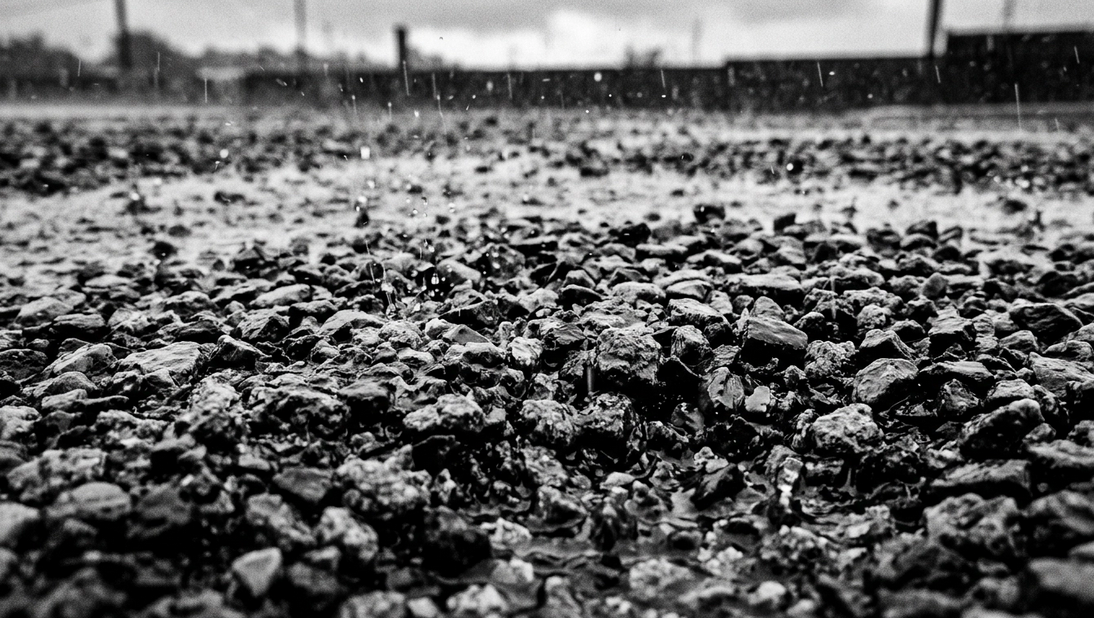
The primary reason project managers, developers, and facility managers are switching to Organic Lock is the drastic reduction in long-term maintenance costs. Traditional aggregate pathways are susceptible to "washouts": where heavy rainfall carries away the surface material, leaving behind dangerous ruts and exposed sub-bases.
Achieve superior durability with a product that works with nature, not against it. Organic Lock is a 100% naturally occurring binder that, when mixed with aggregate and activated by water, forms a cohesive gel. This gel bonds the aggregate particles together, creating a surface that resists the sheer force of running water.
- Avoid Washouts: The binding gel holds particles in place even on significant slopes.
- Lower Repair Costs: Because the material resists rutting, you spend less time and money on "top-ups" and grading.
- Inhibit Weed Growth: By creating a dense, stabilized matrix, Organic Lock naturally deters weeds from taking root, reducing the need for chemical herbicides.
Achieve Unmatched Stability through Self-Healing...
One of the most impressive technical attributes of Organic Lock is its "self-healing" capability. Unlike rigid pavements like concrete or asphalt, which crack under the pressure of freeze-thaw cycles or shifting ground, an Organic Lock stabilized path remains flexible.
Consider the physics of the gel. When the surface does experience a small crack or disturbance, the next rainfall reactivates the binder. The gel softens, allows the aggregate to settle back into place, and then re-sets as it dries. This eliminates the "spider-web" cracking common in traditional stabilized surfaces.
- Thermal Movement: The surface expands and contracts naturally without fracturing.
- Re-workability: If you need to access underground utilities, the material can be dug up, stockpiled, and re-installed simply by adding water.
- Load Bearing: Once compacted, the surface provides a firm, stable base that easily handles foot traffic, bicycles, and even light utility vehicles.
Lower Your Environmental Footprint...
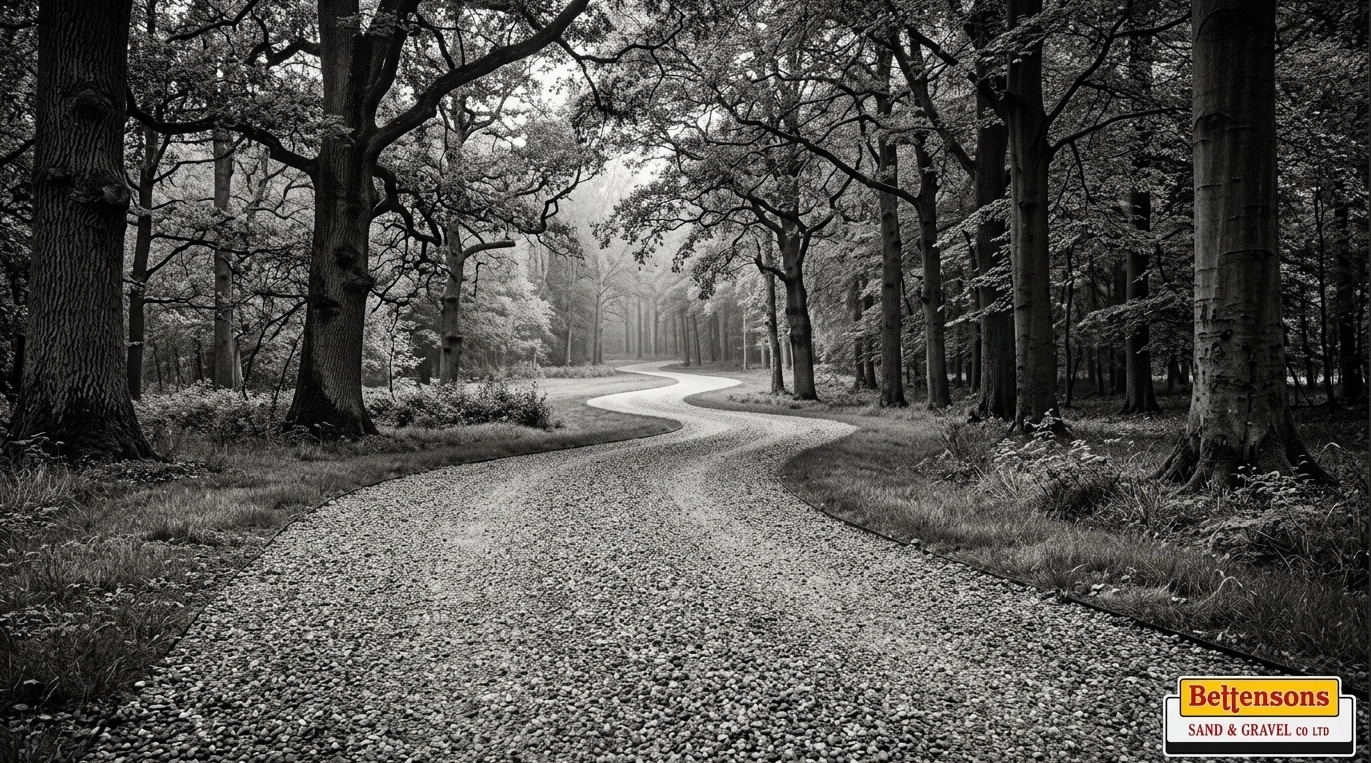
In modern construction and landscaping, environmental impact is no longer an afterthought: it is a requirement. Organic Lock is derived from renewable plant resources, making it a sustainable alternative to chemical-based polymers or petroleum products.
Avoid the "Heat Island" effect and drainage issues associated with non-porous surfaces. One of the greatest technical advantages of this stabilizer is its permeability. With a water permeability rate of approximately 0.85 inches per hour, it allows rainwater to pass through the surface and return to the groundwater table.
- Reduce Runoff: Mitigates the load on municipal storm drains and prevents localized flooding.
- 100% Natural: Safe for use near sensitive waterways and public-use landscapes.
- Sustainable Sourcing: Made from renewable materials with a low carbon footprint compared to manufactured resins.